
Post
Can Filmmakers Tame the AI Beast and Save the Movie Industry?
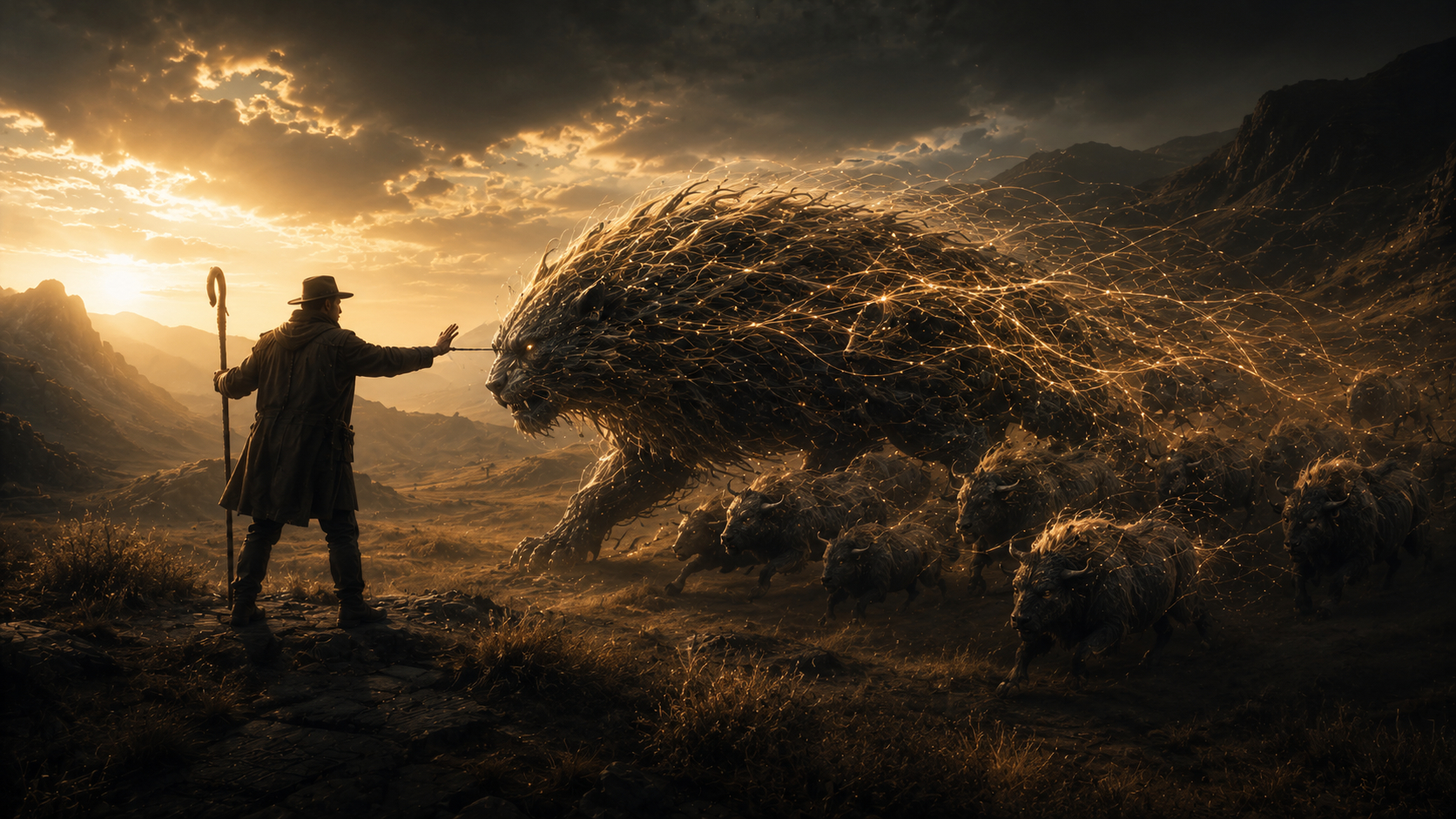
The biggest mistake we're making about AI is assuming the debate is about technology. I don't think it is. I think the debate is really about where creation begins.
For the first time in history, we have a machine that can generate almost anything we ask of it. It can write dialogue, compose music, create images and soon entire films. Looking at that progress, it's tempting to conclude that AI will eventually replace human creativity. I don't believe it will, not because the technology isn't extraordinary, but because I think we're confusing creation with execution.
Once an idea exists, almost everything that follows can be improved. It can be refined, expanded, optimized, challenged and executed. AI will become exceptionally good at all of those things. In many cases it already is. But the first meaningful thought is something else entirely. Every artist knows that feeling, even if it is impossible to describe. An idea simply appears. A scene exists before there is a screenplay. A melody exists before there are notes. Only afterwards does the conscious mind start organizing, refining and giving shape to something that, moments earlier, did not exist. We can call that intuition, subconscious thought or lived experience. The name isn't important. What matters is that it doesn't feel like calculation. It feels like discovery.
That is why I believe AI will never replace artists, regardless of how intelligent it becomes. Artificial intelligence predicts. It explores an unimaginably large space built from everything humanity has already created. It can produce combinations that surprise us and it will become astonishingly good at doing so. But I don't believe that is the same thing as originating a thought. Every piece of art that has ever moved humanity started with a human experience. AI can help shape it, challenge it and execute it, but it cannot have the experience that gave birth to it.
Ironically, that is exactly why I believe AI will save the movie industry rather than destroy it. It will remove enormous amounts of repetitive work. It will allow filmmakers to experiment faster, lower production costs and achieve production value that was previously impossible. The danger isn't AI itself. The danger is forgetting where it belongs in the creative process. The more faithfully AI executes human intention, the more valuable it becomes. The moment we ask it to replace the source of that intention, we lose something that technology cannot recreate.
Some people will argue that audiences won't notice the difference. I think they already do, even if they can't explain it. Most of us have experienced walking out of a cinema somehow different from when we walked in. A film leaves something behind that continues to grow long after the credits have rolled. I don't believe that happens because of perfect visuals or flawless execution. It happens because another human being had something worth expressing, and somehow that thought found its way into our own minds.
Technology has transformed filmmaking many times before. Sound did. Color did. Digital cameras did. Computer-generated imagery did. AI will be another enormous leap forward. But all of those technologies ultimately served the same purpose: helping one human being communicate something meaningful to another. I don't believe AI changes that. I think it forces us to protect it. The future of filmmaking won't belong to the people who use the most AI. It will belong to the people who understand where AI ends and human creation begins. Those are the guard rails that will define the next generation of filmmakers.